
Journal · Music
The Dialogue of Silent Strings: A Conversation with Tati Amaya
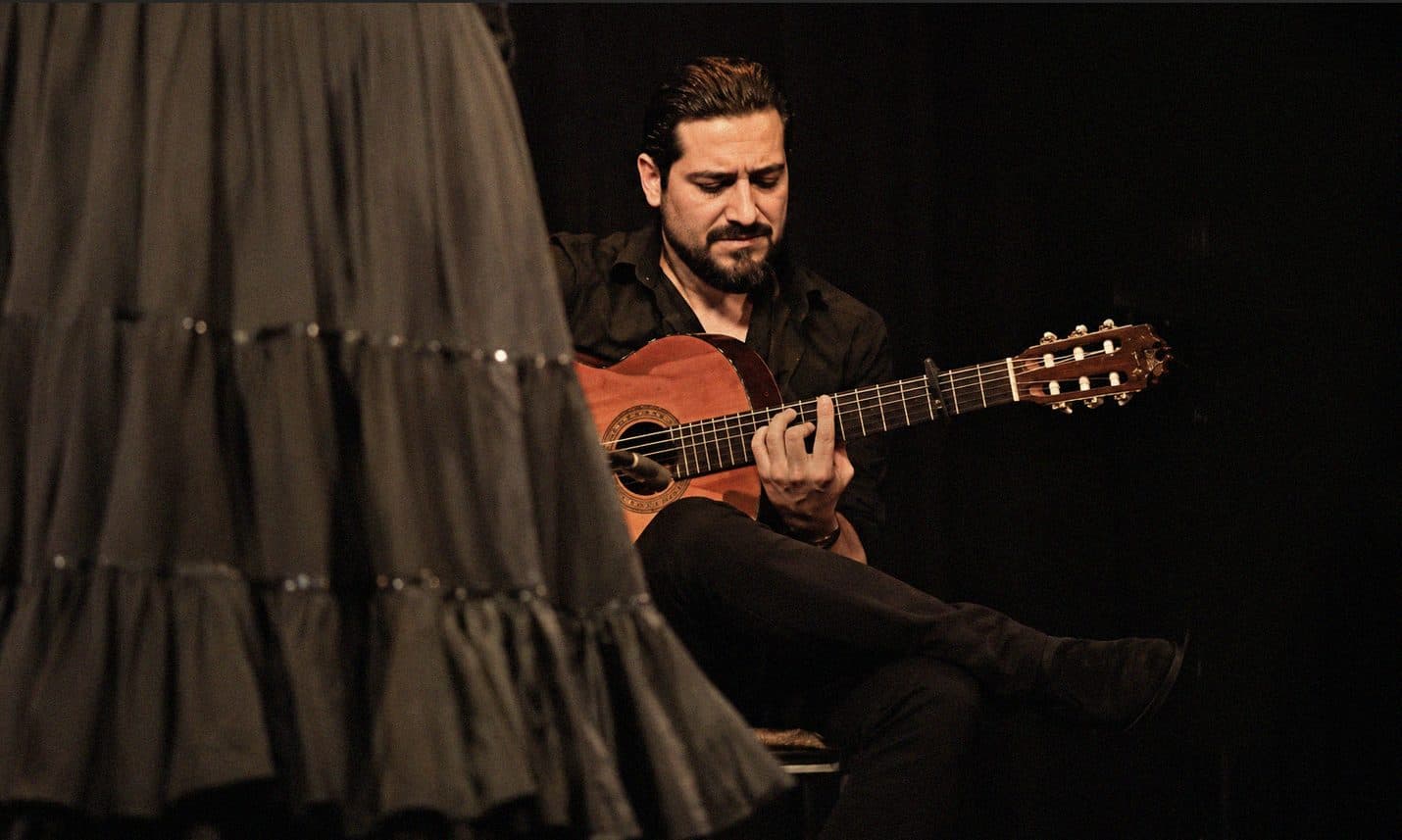
Luis Santiago "Tati Amaya," born in Mexico City, carries one of the most sacred surnames in the history of flamenco. As the great-nephew of the legendary dancer Carmen Amaya, his artistic destiny was written long before he first touched a guitar. Moving to Barcelona fifteen years ago alongside his sister, the dancer Karime Amaya, Tati returned to his family's ancestral soil to learn and work. Today, as a guitarist, composer, and the musical director of Gran Gala Flamenco, he operates from a place of deep devotion, viewing the stage not just as a performance space, but as an active, improvisational dialogue of passion, instinct, and silence.
Mexico to Barcelona: A Transatlantic Return
For Tati Amaya, flamenco was never a conscious career choice; it was the atmosphere of his childhood and the blood in his veins. Born in Mexico City, he grew up surrounded by the sounds of the guitar and the rhythmic heel-clicks of dancers. The tradition is a direct gift from his family. He is the great-nephew of Carmen Amaya, a towering figure widely considered the most important dancer Barcelona ever produced. Having Antonia, Carmen's sister, as his grandmother, and the dancer Mercedes Amaya "La Winy" and guitarist Santiago Aguilar as parents, his training began at the age of twelve within their company.
Fifteen years ago, Tati made a life-altering decision to relocate to Barcelona with his sister, Karime Amaya, who is herself an internationally acclaimed dancer. Moving to Spain was driven by a practical need for work and a desire to learn at the source of flamenco. Upon arriving in Barcelona, Tati found himself profoundly connected to his ancestral roots. Because his ancestors were from this city, living and working here has had a deep, positive impact on his creative output. He frequently thinks of his people, finding that their legacy shapes his musical instincts in a way that feels natural and inevitable.
The flamenco is a language. It is similar to jazz — a conversation built on patterns and completed by imagination. And on stage, the eyes are the best way to understand each other. — Tati Amaya
The Dialogue of Silence
In a genre renowned for its volcanic energy and explosive footwork, Tati's philosophy of music centers on a surprisingly quiet element: silence. In flamenco, he argues, silence holds an active, vital power. He describes silence as "the loudest sound" in a performance. It is the space that gives life to the music, providing structure, contrast, and dramatic breath.
This reverence for silence also manifests in how he practices his craft. While playing before an audience requires outward expression and sharing energy, playing alone offers a quiet sanctuary. When practicing in solitude, Tati finds a level of focus that public performance cannot replicate. In the quiet of his own space, he can hear his instrument and his thoughts with absolute, unclouded clarity, using silence as a mirror to understand his own music.
Dialogue and Eyes on Stage
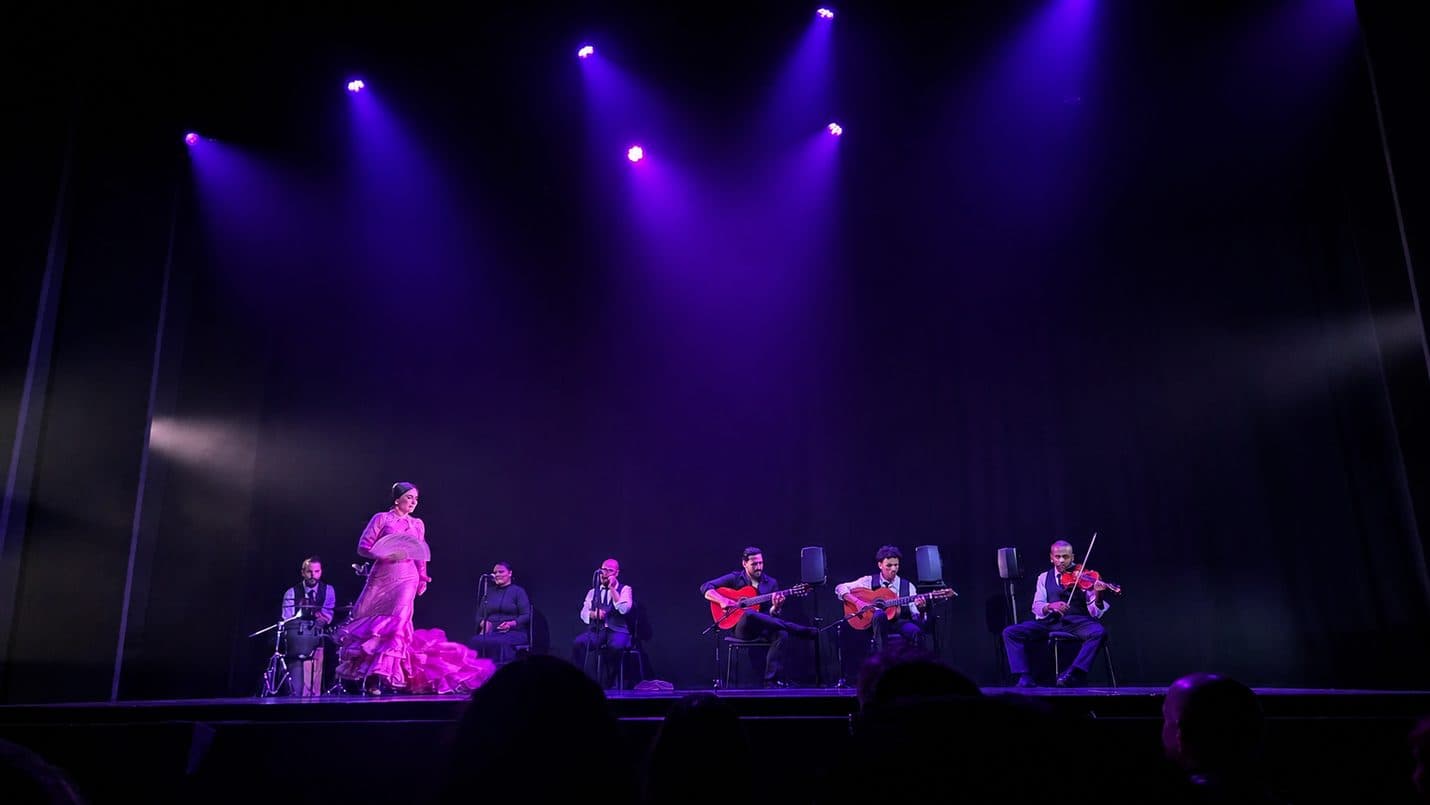
For Tati, a live flamenco performance is not a sequence of isolated, scripted routines. Instead, he views it as a continuous, organic language — a conversation very similar to jazz. While the music and choreography operate within stable, traditional structures and patterns that must be respected, there are moments where the artists yield to their imagination and improvise.
This collective improvisation requires deep focus and real-time coordination. In the heat of a performance, the musicians and dancers do not use verbal cues or elaborate signals to direct each other. Instead, they rely on the eyes. Eye contact is the primary medium through which they communicate, allowing them to sense when to push forward into improvisation, when to stay within the established pattern, and when to bring a movement to a dramatic halt. It is a shared consciousness, built on mutual respect and absolute trust.
Directing the Heart of the Gala
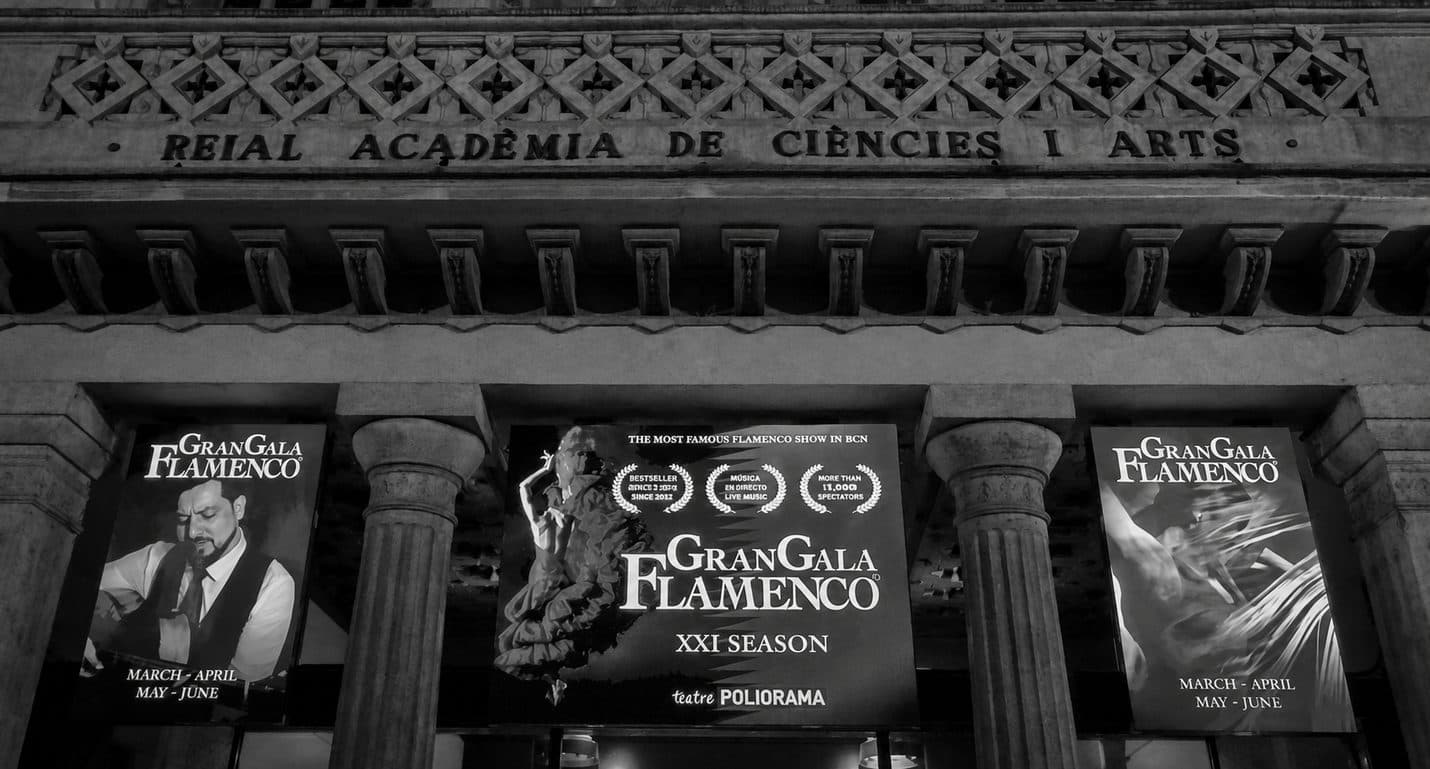
Tati's artistic vision finds its grandest expression in Gran Gala Flamenco, a landmark show for which he has served as musical director for the past seven to eight years. Staged in the breathtaking, modernist auditorium of Barcelona's historic Palau de la Música Catalana, the show is crafted with a specific, inclusive goal: to introduce the passion of flamenco to diverse audiences, particularly those who have never experienced the art form before.
While some flamenco purists preserve the art behind barriers of exclusivity, Tati believes in its universal appeal. He and his troupe have achieved a delicate, beautiful balance — creating a montage that is accessible to all audiences without sacrificing its emotional core. They put their entire hearts into the show, offering an energetic, moving gateway that invites newcomers and seasoned aficionados alike to discover the profound richness of the tradition.
A Dream in the Present
When asked about his career aspirations and future milestones, Tati responds with a sense of humility. He does not view his goals as far-off achievements; instead, he believes that the act of playing flamenco is itself a continuous realization of a dream. For him, every single day spent on stage is a precious gift, and he works with the gratitude of someone who is already living his dream day-to-day.
For Tati, flamenco is much more than a musical discipline; it is an irreplaceable way of living. It teaches those who study it to explore deep, complex feelings that are almost impossible to discover through any other medium. As he continues to direct, compose, and play, Tati Amaya remains a dedicated guardian of his family's legacy, carving his own distinct path through the profound, universal language of the strings.
Keep reading
Related Articles

“Create your free Artist Page, showcase your work, share events, follow grants and open calls, and join Artistivo's international art community.”
